sábado, 1 de outubro de 2016

Obras no Saldanha deitam árvores abaixo apesar das promessas em contrário


Obras no Saldanha deitam árvores abaixo apesar das promessas em contrário
LILIANA BORGES 30/09/2016 – 19:24

A Plataforma em Defesa das Árvores questiona a decisão da Câmara de Lisboa, que há três meses tinha garantido que nenhuma tipuana seria abatida. A autarquia justifica o abate com o "mau estado fitossanitário".

As árvores tipuanas, de copa amplas e densas que enchiam a Praça do Saldanha, em Lisboa, foram, esta sexta-feira, abatidas. A denúncia é feita pela Plataforma em Defesa das Árvores, que questiona a legalidade da decisão do vereador responsável pelo pelouro da Reabilitação Urbana, Manuel Salgado.

De acordo com os documentos disponibilizados pelo grupo ambiental, a 1 de Julho deste ano, o vereador da Câmara Municipal de Lisboa comprometeu-se a não abater nenhuma árvore e a transplantar duas das árvores que estavam no centro do Saldanha.

“No que concerne ao projecto da nova praça do Saldanha e por força de alteração da geometria da ligação da Avenida Casal Ribeiro à futura rotunda do Saldanha, está previsto que das 26 tipuanas existentes, duas sejam transplantadas, sendo o local da sua replantação determinado após a avaliação resultante da vistoria da Direcção Municipal de Estrutura Verde, Ambiente e Energia, estando previsto que a mesma venha a ocorrer na nova Praça do Saldanha”, pode ler-se no documento que Manuel Salgado assinou na altura.

Nele, o autarca detalha que "todas as outras árvores existentes na Praça Duque de Saldanha (tipuanas) serão mantidas, sendo ainda plantadas nesta área mais 69 árvores novas das seguintes espécies: jacaranda-mimoso, coreutéria, pereira-de-jardim, cerejeira-brava, plátano e tipuan".

Confrontados com as imagens do abate de tipuanas durante esta sexta-feira, os membros do grupo vieram exigir uma prova de que houve uma autorização escrita do presidente da Câmara de Lisboa a concordar com o desaparecimento das árvores em questão. Os cidadãos e as associações ambientalistas que formam o colectivo sublinham, em comunicado, o seu “profundo desapontamento pelo vil abate” e dizem aguardar uma resposta do gabinete de Manuel Salgado.

Entretanto a Câmara de Lisboa emitiu um esclarecimento sobre a situação ocorrida esta sexta-feira na Praça do Saldanha. Nele a autarquia informa que "os serviços dos Espaços Verdes" concluíram, "quando foram fazer as vistorias necessárias ao transplante das duas tipuanas", que o seu transplante "seria completamente inviável".

Segundo a câmara, essa conclusão foi alcançada "atendendo ao mau estado fitossanitário" de uma das árvores e "à acentuada degradação" da outra. Face a essa realidade, sustenta-se, as duas tipuanas "teriam que ser abatidas e plantadas duas novas tipuanas".


No esclarecimento o município salienta que "todas as outras árvores existentes na Praça Duque de Saldanha serão mantidas, sendo ainda plantadas nesta área mais 69 árvores novas das seguintes espécies: jacarandá-mimoso, coreutéria, pereira-de-jardim, cerejeira-brava, plátano e tipuana". A câmara presidida por Fernando Medina destaca ainda que "a preservação e incremento das árvores existentes no local foi uma das principais linhas do projeto para a requalificação do Eixo Central", estando prevista "a plantação de 741 novas árvores".

Casa de Serralves vai ser a morada definitiva dos Mirós


Casa de Serralves vai ser a morada definitiva dos Mirós
LUÍS MIGUEL QUEIRÓS 30/09/2016 - 20:12 (actualizado às 22:47)

Confirma-se que o destino da colecção Miró passa por Serralves, mas a surpresa é que passa ainda mais do que se previa. As obras não integrarão o Museu de Arte Contemporânea, mas ficarão na Casa onde agora estão expostas, para a qual Siza já aceitou desenhar um projecto de adaptação.

A especulação em torno do sítio que iria acolher em permanência a colecção Miró terminou esta sexta-feira ao final do dia, quando o presidente da Câmara do Porto, Rui Moreira, anunciou que as obras do pintor catalão vão ficar em permanência na Casa de Serralves - onde pouco antes fora inaugurada a exposição Joan Miró: Materialidade e Metamorfose - e que o arquitecto Álvaro Siza aceitara já o convite para adequar às suas novas funções a bela casa cor-de-rosa de arquitectura modernista.

“Foi um trabalho de boas vontades e uma decisão ajuizada”, disse Moreira, defendendo que “num tempo em que muita gente vive com sacrifícios, os recursos devem ser geridos com parcimónia, e esta solução é muito mais barata do que construir um novo museu”. Embora o modelo institucional ainda tenha de ser trabalhado, reconheceu o autarca, está já decidido que as obras ficarão formalmente à guarda da autarquia, que a Casa de Serralves funcionará como um pólo do município, mas não será um museu municipal, que a câmara custeará as obras de adequação da Casa, e que as futuras receitas de bilheteira reverterão integralmente para Serralves.

Mas o figurino final desta parceria não poderá provavelmente ser traçado sem que primeiro seja feita, explicou Rui Moreira ao PÚBLICO, “uma pequena alteração legislativa no que respeita aos apoios dos municípios às fundações”.

A solução não deixa de surpreender, já que parecia haver sinais de que Serralves não veria com bons olhos a hipótese de acolher a colecção, mas o autarca diz que essas reservas diziam apenas respeito a uma eventual integração dos Mirós no Museu de Arte Contemporânea. “Instalar este pólo aqui na Casa de Serralves, faz todo o sentido”, argumenta, até porque temos a sorte de a Casa ser, também ela, de arquitectura modernista, e por isso os quadros ficam aqui tão bem”.

Moreira falou informalmente com a imprensa já depois dos discursos da anfitriã da cerimónia, Ana Pinho, presidente da administração de Serralves, e de António Costa, Mariano Rajoy e Marcelo Rebelo de Sousa. Já o presidente do Governo autónomo da Catalunha, que foi dos primeiros a chegar a Serralves, acompanhado por Rui Moreira, passou razoavelmente despercebido na cerimónia, mas acabou a fazer uma conferência de imprensa paralela para os muitos jornalistas espanhóis presentes, provavelmente mais interessados em o ouvir sobre o seu recente anúncio de que convocará um referendo sobre a independência da Catalunha em 2017 do que em saber o que pensa desta colecção de Mirós.

Crítica: Na casa dos sonhos de Miró

Se Moreira demorou algum tempo a quebrar o tabu sobre o local onde ficaria a colecção Miró, quando a solução, reconhece, já tinha sido tomada há algum tempo com o conhecimento do Governo, foi porque não podia antecipar-se a António Costa, que se deslocou ao Porto justamente para anunciar formalmente que o Governo confiaria os Mirós à cidade. E foi o primeiro-ministro quem arrancou as grandes salvas de palmas da sessão, primeiro quando disse que, “nesta época em que tantas vezes temos dúvidas sobre a hierarquia dos valores, a história recente desta colecção ajuda a pô-los na sua adequada hierarquia” e considerou “muito importante” a decisão de não vender a colecção. E voltou a ser aplaudido quando confirmou que as 85 obras ficariam no Porto, como o seu ministro da Cultura, Luís Filipe Castro Mendes, já anunciara. “Estas obras de Miró valorizarão decerto o Porto, mas o Porto, uma cidade aberta ao mundo, cosmopolita e viva, também valorizará esta colecção”, disse.

Rajoy fez o discurso expectável, focando-se na ligação, que estima ser hoje “mais forte do que nunca”, entre os dois povos ibéricos, “uma vizinhança tão rica e modelar, que é um poderoso exemplo para o mundo”. A sessão terminou com Marcelo Rebelo de Sousa, que não hesitou em “saudar a decisão do Governo, que soube compreender a situação existente e acolher a solução que melhor se ajustava ao interesse nacional”. O Presidente da República reiterou ainda a amizade entre Portugal e Espanha e lembrou que receberia já em Novembro, “aqui mesmo, na leal e mui nobre cidade do Porto”, o monarca espanhol, Filipe VI.

Numa conferência de imprensa dada ao final da manhã na Casa de Serralves, a poucas horas da formalíssima inauguração de uma das mais mediáticas exposições alguma vez inauguradas em Portugal, a directora artística do Museu de Serralves, Suzanne Cotter, reconhecera a dimensão política desta mostra e a sua importância simbólica a diversos níveis, da “questão da herança artística” ao “papel da arte na sociedade”, mas pedira que ela fosse também vista pelo que antes de mais é: “uma exposição que nos convida a descobrir o trabalho e o talento de Joan Miró”, que considerou um dos artistas mais importantes do século XX”.

Com oradores e jornalistas rodeados de dezenas de obras do pintor catalão, Cotter elogiou o modo como Siza conseguira pôr a arquitectura da Casa a dialogar com as obras de Miró. “Uma conversa muito feliz”, resumiu a directora, com um entusiasmo que talvez devesse ter feito suspeitar que aquela não iria ser uma conversa para acabar em breve.


Antes de guiar os jornalistas numa visita pelas quase 80 peças que escolheu para esta exposição, o seu comissário, Robert Lubar Messeri, um dos grandes especialistas mundiais em Miró, explicou que já conhecia a colecção do BPN, uma vez que fora convidado pela Christie’s para fazer uma palestra sobre ela a preceder o programado leilão das obras em Londres. “Lembro-me muito claramente de ter começado a ver as obras e de ter pensado para mim próprio: ‘Mas porquê?!, por que é que Portugal quer deixar escapar uma colecção como esta?’”. E quando uns dias depois soube que o leilão fora cancelado, diz ter ficado “encantado”.

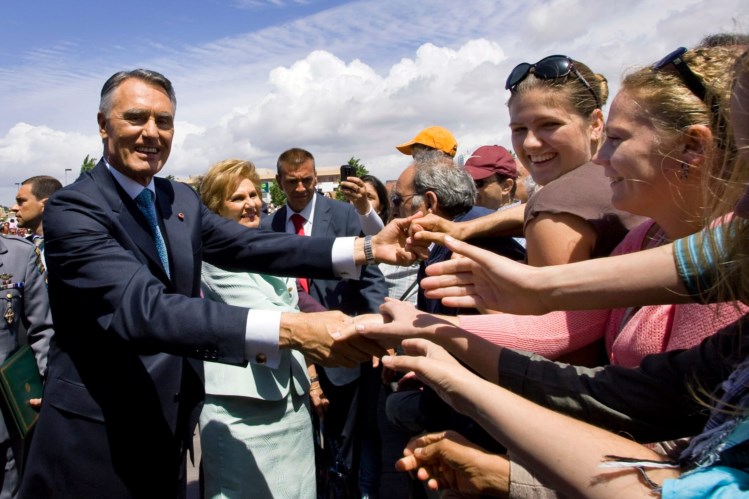
Cavaco pagou metade do IMI que devia ter pago durante 15 anos


Cavaco pagou metade do IMI que devia ter pago durante 15 anos
JOSÉ ANTÓNIO CEREJO 01/10/2016 – PÚBLICO

A casa de Albufeira do ex-Presidente da República foi reavaliada pelas Finanças no ano passado. O valor patrimonial quase duplicou face ao que constava da caderneta predial em 2009. Os dados fornecidos por Cavaco não eram verdadeiros.

Em 2009 a Autoridade Tributária considerava que a casa de Cavaco Silva, Gaivota Azul, na praia da Coelha, concelho de Albufeira, tinha um valor patrimonial de 199.469 euros. Em 2015, os mesmos serviços fiscais reavaliaram a mesma casa e chegaram a um valor muito diferente: 392.220 euros.

Uma consequência dessa reavaliação foi um enorme aumento do imposto a pagar por Aníbal Cavaco Silva. O Imposto Municipal sobre Imóveis (IMI) devido este ano pelo proprietário da moradia da Coelha quase que duplica os valores habitualmente pagos desde 2000. O ex-Presidente da República deverá já ter desembolsado 1372 euros, quando em 2010, por exemplo, se ficou pelos 797. Mas se a Câmara de Albufeira não tivesse reduzido no ano passado a taxa do IMI de 0,5 para 0,35%, este ano teria de pagar 1961 euros – mais 146% do que pagou em 2010.

O enorme agravamento fiscal sofrido pelo antigo presidente do PSD não foi, porém, o resultado do “brutal aumento de impostos” que atingiu a maioria dos portugueses em 2012. Neste caso, o contribuinte deixou apenas de beneficiar do facto de, em 2000, ter fornecido às Finanças dados errados quanto à casa, a sua área e características, que fizeram cair para perto de metade os impostos por ele devidos.

Isto porque, com base nos elementos fornecidos ao fisco em 2000, ano em que o imóvel foi inscrito na matriz, o seu valor patrimonial tributável – sobre o qual incide a taxa do IMI estabelecida pelos municípios entre um mínimo de 0,3 e um máximo de 0,5% – foi fixado pelas Finanças muito abaixo do que devia ter sido se os dados fornecidos fossem os reais.

De acordo com a caderneta predial obtida pelo PÚBLICO em 2012 e emitida nesse ano, a moradia, denominada Gaivota Azul, tinha um valor patrimonial de 199.469 euros pelo menos desde 1999. Para chegar a esse valor, as Finanças serviram-se de uma declaração (antigo Modelo 129) entregue pelo contribuinte, conforme determinava a lei então em vigor. Essa declaração descreve uma propriedade composta por uma moradia com uma área coberta de 252 m2 e uma área descoberta de 1634 m2. Só que essa moradia, como o PÚBLICO revelou no início de 2011, nunca existiu. A Câmara de Albufeira aprovou o seu projecto com uma área bruta de construção de 318 m2, em dois pisos, e emitiu a respectiva licença de construção em 1994, quatro anos antes de Cavaco adquirir a propriedade. Essa casa, todavia, nunca foi construída. Mas foi sobre essa ficção que o contribuinte Aníbal Cavaco Silva pagou a Contribuição Predial entre 2000 e 2003 e o IMI, imposto que a substituiu, desde então, até 2015.

A Gaivota Azul, essa, conforme consta do projecto aprovado em 1997, ainda em nome da empresa então proprietária, tem uma área de implantação de 464 m2, uma área bruta de construção de 620 m2 e três pisos. Ou seja: quase o dobro da área bruta de construção e da área de implantação que serviram para determinar o valor patrimonial, a Sisa e a contribuição predial/IMI a pagar.

A caderneta predial da Gaivota Azul actualizada no ano passado pelas Finanças e ainda em vigor veio entretanto clarificar o essencial, sem deixar margem para dúvidas: o imóvel sobre o qual Cavaco foi taxado durante 15 anos não tem nada a ver com aquele de que é proprietário.

Conforme se lê na caderneta predial actual, a que o PÚBLICO teve recentemente acesso, a Gaivota Azul (Lote 18 da Urbanização da Coelha) foi mais uma vez avaliada em 2013, sendo-lhe atribuído o valor patrimonial de 392.220 euros, já em 2015. Os dados inscritos no documento são agora os verdadeiros (464 m2 de implantação, 620 m2 de área bruta de construção e três pisos). Como consequência, o IMI devido este ano subiu para 1372 euros.

O PÚBLICO dirigiu várias perguntas a Cavaco Silva há duas semanas, mas, tal como fez em 2011, o ex-Presidente nada respondeu.

De acordo com o que se lê na caderneta predial, a nova avaliação que fez aumentar o valor patrimonial, agora com base em elementos verdadeiros, teve origem numa declaração modelo 1 do IMI (que substituiu o antigo modelo 129) entregue em Fevereiro de 2013. Isso significa que a reposição da verdade poderá ter sido da iniciativa do próprio contribuinte. No entanto, o facto de em 2012 ter havido uma avaliação geral de todos os imóveis que nunca tinham sido avaliados depois de 2003, determinada pelo Governo e apenas com intervenção do fisco e dos municípios, também torna plausível a hipótese de o impulso da correcção ter partido dos serviços das Finanças. Uma coisa é certa: a avaliação geral de 2012 levou a um aumento médio de 34% no valor fiscal dos imóveis em Portugal, uma percentagem muito inferior ao aumento de 97% registado na Gaivota Azul.

Esta e outras questões, entre as quais o facto de a área total do terreno agora inscrita na caderneta ser de 1638 m2, quando ela é de 1891 m2, tal como constava da caderneta anterior e consta do registo predial, continuam por esclarecer.

O PÚBLICO também não conseguiu apurar se as Finanças exigiram a Cavaco Silva o diferencial entre os impostos por ele pagos desde 2000 e aqueles que devia ter pago.

Na impossibilidade de aceder aos processos de avaliação, os dados inscritos na actual caderneta predial tornam ainda mais intrincado todo este caso e mais incompreensível o teor do comunicado emitido pela Presidência da República em Fevereiro de 2011. Na sequência das notícias divulgadas pelo PÚBLICO e pela Visão, e logo a seguir às eleições presidenciais desse ano, o comunicado garantia que Cavaco pagou 8133 euros, em data não indicada e a título de imposto de Sisa, pela permuta, realizada em 9 de Julho de 1998, através da qual se tornou dono da Gaivota Azul.

Nessa data, Aníbal Cavaco Silva trocou com a Constralmada, uma empresa de que era sócio o seu amigo Fernando Fantasia (construtor civil que detinha parte da OPI 92, uma das sociedades envolvidas no escândalo BPN) a sua vivenda Mariani, em Montechoro, pela Gaivota Azul, no empreendimento da Aldeia da Coelha (cujo loteamento também tinha sido promovido por um amigo de infância de Cavaco Silva, e seu colaborador em São Bento, Teófilo Carapeto Dias).

Na escritura, Cavaco e a empresa de Fernando Fantasia atribuíram a ambas as casas, ainda que muito diferentes, o mesmo valor: 135 mil euros. Como se tratou de uma permuta directa, em que as duas casas foram avaliadas pelos respectivos donos com o mesmo valor, a transacção, numa primeira fase, ficou isenta de imposto de Sisa.

Logo a seguir, porém, as Finanças desencadearam um primeiro processo de avaliação da Gaivota Azul, obrigatório por lei, tendo em conta que moradia estava omissa na matriz, não dispondo por isso de valor patrimonial atribuído aquando da escritura.

Cavaco Silva foi então informado de que devia pagar Sisa, uma vez que a Gaivota Azul era mais valiosa do que a Mariani. A Sisa devida, à taxa de 10%, foi calculada pelo diferencial de 81.330€ entre o valor patrimonial que as Finanças atribuíram à Gaivota Azul e o valor patrimonial da Mariani. Como o valor patrimonial da Mariani à data da escritura era de apenas 7876 euros, terá de se concluir que as Finanças começaram por avaliar a Gaivota Azul em menos de 90 mil euros.

Todavia, os dados inscritos na caderneta predial de 2012 evidenciam que o valor patrimonial desta moradia, fixado em 2009 em 199.469 euros, teve origem numa reclamação apresentada por Cavaco Silva no início de 2000 – meses depois da avaliação que deu origem ao pagamento da Sisa de 8133 euros – contra o resultado de uma segunda avaliação, provavelmente motivada pelo facto de a casa ter sido entretanto concluída.

Para que Cavaco tenha reclamado do valor desta última avaliação em 2000, reclamação à qual juntou o projecto autenticado pela Câmara de Albufeira da casa que nunca foi construída, presume-se que o valor da segunda avaliação fosse igual ou superior a 199.469 euros.


Ou seja: as Finanças já avaliaram a casa de férias do ex-Presidente pelo menos três vezes nos últimos 18 anos e o seu valor sofreu um acréscimo de mais de 300 mil euros. Numa primeira vez chegaram à conclusão de que a casa valia menos de 90 mil euros (1999), um ano depois aumentaram esse valor e o próprio Cavaco Silva reclamou da nova avaliação que acabaria por ser fixada em 199.469 euros. Finalmente, no ano passado, a Gaivota Azul sofre nova apreciação significativa, valendo agora, para a Autoridade Tributária, mais de 392 mil euros.

Trump tries to distract from Alicia Machado sex tape accusations


Trump tries to distract from Alicia Machado sex tape accusations

GOP nominee went on Twitter rampage earlier, making false accusations that ex-Miss Universe had a sex tape and that Clinton helped her become a US citizen

Ben Jacobs in Washington
@Bencjacobs
Saturday 1 October 2016 01.13 BST

Donald Trump tried to distract voters from a weeklong controversy over his insults toward a former Miss Universe on Friday night by asking Barack Obama to pledge not to “pardon Hillary Clinton and her co-conspirators for their many crimes against our country and against society itself”.

Only hours earlier, the Republican nominee went on a predawn Twitter rampage about Alicia Machado, tweeting false accusations that she had a sex tape and that Clinton had somehow helped Machado become an American citizen. He later tried to justify the tweets, writing: “For those few people knocking me for tweeting at 3 o’clock in the morning, at least you know I will be there, awake, to answer the call!”

The Clinton campaign quickly responded. “His latest Twitter meltdown is unhinged, even for him,” the Democratic nominee told a rally in Florida. She also responded on Trump’s medium of choice, Twitter: “What kind of man stays up all night to smear a woman with lies and conspiracy theories?”

The former secretary of state spoke in Coral Springs, where she unveiled a plan to expand national service opportunities for young Americans. But Clinton also scorned Trump at length there, asking: “Who gets up at three o’clock in the morning to engage in a Twitter attack against a former Miss Universe?”

Late Friday, BuzzFeed found that Trump had a cameo in an explicit Playboy video made in 2000, prompting a response from Clinton campaign spokesman Nick Merrill. “There’s been a lot of talk about sex tapes today, and in a strange turn of events only one adult film has emerged today and its star is Donald Trump,” Merrill told reporters.

Former Miss Universe Alicia Machado on Trump: ‘I know what he can do’

On Friday evening, Trump attempted to change the subject by amplifying his attacks on Clinton, citing the Clinton Foundation’s international donors and her handling of emails as secretary of state. Republicans often criticize Clinton along these lines, but Trump has recently escalated the rhetoric. He called Clinton a “globalist” and a “vessel for special interests … who want to strip [the US] of its status as a sovereign nation” and accused her of “many crimes against our country and against society itself”.

The Trump campaign did not immediately respond to questions about what crimes the nominee meant.

The Republican nominee also stirred concerns about voter fraud, returning to the unsubstantiated claims of a “rigged election” and “cheating” that he made for several weeks this summer. On Friday, Trump claimed voter fraud “is a big big problem in this country” and that “nobody has the guts to talk about it.”

He then urged attendees at this rally to “go and watch the polling places and make sure it is on the up and up”, even though an exhaustive investigation in 2014 found only 31 potential incidents of in-person voter fraud in all US elections over 14 years.

The complaints about a “rigged” system follow days of negative revelations about the nominee. A report in Newsweek showed evidence that Trump’s company had violated the embargo on doing business in Cuba, and a report in the Washington Post showed Trump’s charitable foundation lacks a license to solicit money, though it has appeared to do so for years.

Several conservative or apolitical newspapers also refused to endorse Trump this week. On Friday, the San Diego Union Tribune, which has endorsed every Republican presidential candidate since 1868, announced that it would back Hillary Clinton. In doing so, its editorial board wrote “Trump could be our Chávez, our Kirchner. We cannot take that risk.”

It was joined by USA Today, which issued its first-ever presidential endorsement to write that Trump was “unfit for the presidency”. The national paper did not endorse Clinton but merely urged readers to vote for anyone but Trump. Other papers have broken their conservative record to back Clinton, including the Arizona Republic and the Cincinnati Enquirer. A number of other traditionally conservative papers, such as the Chicago Tribune and the Detroit News, have endorsed Libertarian Gary Johnson instead of Trump.

One newspaper has broken its apolitical history to endorse Trump. In March, he became the first candidate endorsed by the National Enquirer in the tabloid’s history.

Alicia Machado told the truth about Trump, and the backlash is terrifying

Alicia Machado told the truth about Trump, and the backlash is terrifying
Lucia Graves
The former Miss Universe has been smeared for speaking out. Gossip about a woman’s past must have no bearing on how we judge the man who attacked her

Friday 30 September 2016 17.20 BST

The story of Alicia Machado is many things but as it pertains to the presidential election, it is a story about the time Donald Trump smeared a woman and riled up a media circus to spread the gossip. That was back in the 1990s and mostly fodder for tabloids. Now it’s happening all over again – only as part of a presidential campaign.

In the first candidates’ debate this week, Hillary Clinton invoked her opponent’s high-profile fat-shaming of Machado after she was crowned Miss Universe in 1996, comments that pushed her into a downward spiral of eating disorders for five years.

Until recently Trump wasn’t denying any of it – when the New York Times first asked Trump to respond to her story, he replied simply: “To that, I will plead guilty.” But on Wednesday, his campaign released talking points claiming the story was “totally baseless and unsubstantiated” and that Machado was merely attempting to “gain notoriety at the expense of Mr Trump’s name and reputation”.

The irony of course is that we can verify Machado’s story not in spite of Trump but because of him. It was he who made sure her weight-gain and his treatment of her was documented around the world; what’s changed is simply public perception.

Former Miss Universe Alicia Machado on Trump: ‘I know what he can do’

Back in May, Slate’s Jessica Winter published a roundup of the media’s cruel and inappropriate coverage from the time, much of which laughed right along with Trump: “No one could accuse Alicia Machado of being the size of the universe,” wrote a CNN correspondent at the time. “But as her universe expanded, so did she.” And while the media may have since advanced on the subject of fat-shaming – it’s no longer acceptable to write about young women’s weight that way – we’re still falling for Trump’s sensationalized media circuses.

This time the line of attack, pushed most aggressively by surrogates and rightwing news outlets, defames Machado as a porn star and murder accomplice, who once threatened to kill a judge and posed topless for Playboy, among other things. The latest assault came from Trump himself on Friday. He called her “disgusting” on Twitter and asked followers to “check out sex tape and past”. Even if the worst of this is true, it doesn’t invalidate anything she said about Trump.

The real headline should be “Woman Who Speaks Truth About Presidential Candidate Endures Second Character Assassination”. The sequence is familiar by now: throughout history, women who speak out against powerful men – as Machado did, for instance, in the New York Times earlier this year – have been subject to a backlash. They’re slut-shamed or cast as crazy, as the Anita Hill movie, Confirmation, recently reminded us.

Instead the Daily Caller went with “Porn Star Campaigns For Hillary Clinton,” while the Daily Mail landed upon “Miss Universe ‘fat-shamed’ by Donald Trump was accused of threatening to kill a judge and being an accomplice to a MURDER bid in her native Venezuela,” noting that it was “unknown if [the] Clinton campaign vetted Machado”. Alex Jones’s conspiracy-theory-mongering site also speculated luridly about the father of Machado’s daughter’s past.

First off, the Clinton campaign confirmed to the Guardian that she is not being paid by them. She’s a volunteer.

The pornography charge appears to be false. The website Snopes, which specializes in debunking online hoaxes, writes that the anal sex clip that turns up on free porn sites under Machado’s name appears to be from the 2004 feature Apprentass 4, which stars another woman. Machado did pose on the cover of Playboy – twice in fact. But if it’s going to be used to smear her character, perhaps it’s relevant to note that so has Donald Trump? The difference is Trump kept his shirt on, but even that was probably only in deference to the preferences of the audience. And speculation relating to her seven-year-old daughter should not be a journalistic enterprise at any respectable media organization.

The most substantive charge is that in 1998 a 21-year-old Machado was accused of driving a getaway car after her boyfriend shot his brother-in-law. This is from the Economist’s report at the time:

The male lead in this complex plot is Miss Machado’s rugged boyfriend, Juan Rafael Rodriguez Reggeti. He had a sister, who, eight months pregnant, jumped off a fifth-floor balcony. He, allegedly, blaming her husband for the suicide, sought revenge by firing two shots at him just after the funeral. The husband was hit but survived. Mr Rodriguez fled in a car driven, say the police, by Miss Machado.

The investigating judge, Maximiliano Fuenmayor, issued an arrest warrant for Mr Rodriguez. But Miss Machado, who claimed she was ill at home at the time, seemed to be in the clear, for the moment anyway. It was a short moment. Within hours, Mr Fuenmayor had a telephone call from her. He says she threatened to ruin his career and have him killed. She admits she rang, but says it was merely to thank him for his unbiased pursuit of justice.

The accusations went nowhere and she never faced charges. The report that she drove a getaway car was dropped almost 20 years ago due to lack of evidence. More recently, they did not prevent her from obtaining US citizenship in August, a process involving a background check and clearance.

Interestingly Corey Lewandowski, the Trump operator who dredged up the allegations, was charged with battery as recently as this year. And unlike, Machado, who has only volunteered, the former campaign manager was, until Thursday, still on Trump’s payroll.

Machado’s role in the debate has also spawned claims that a profile I wrote was orchestrated with the Clinton campaign.

To be clear: it was not. I never communicated with the Clinton campaign around this story except to ask for a comment on Monday afternoon, as Politico explained.

Given a chance to respond to the personal accusations about her, Machado – whose English is imperfect – did not debunk them as forcefully as she might have (though again, she has been denying them for almost 20 years now). Instead she said something different, and something which has been largely misconstrued. After dismissing the reports as “speculation” born of her celebrity in Latin America she waxed indignant: “He can say whatever he wants to say, I don’t care,” she said. “You know, I have my past. Of course, everybody has a past. I’m not a saint girl. But that is not the point now.”

Trump’s campaign has latched on to this as evidence of her guilt. But perhaps there’s been something lost in translation. Trump said at the debate that she’s “no Mother Teresa” and here she’s echoing Trump’s implicitly sexist line from the debate. Mother Teresa is an actual saint – she shouldn’t have to be.

Let’s assume for a moment that the worst is true and she threatened a judge as a 21-year-old: it doesn’t make Trump look any better.

You shouldn’t have to be Mother Teresa to not be fat-shamed before millions of people. And Michael Brown being “no angel”, as the New York Times put it recently, shouldn’t have been relevant in a case about being killed by police, as Black Lives Matter tried to teach us.

These instances aren’t equivalent, but the point is people who lack power because they are women or minorities, or both, too often aren’t given the basic human dignities the rest of us take for granted.

Machado saying she’s no saint isn’t an admission of guilt. It’s an indictment of us.

Why Deutsche Bank is on the ropes


Why Deutsche Bank is on the ropes
Once the markets start pummeling a banking behemoth, all bets are off.

By FRANCESCO GUERRERA 9/30/16, 6:28 PM CET

Investors and regulators are engaged in a boxing match over the fate of Deutsche Bank.

So far, the markets have the upper hand, and Europe’s largest bank is reeling from their blows. The final outcome will determine whether the world’s financial system is about to experience another heart-stopping moment, or just another bump in a tortuous road to safety.


In one corner of the Deutsche bout stands the complex regulatory infrastructure built to avoid a repeat of the taxpayer bailouts of banks seen in the 2008 global financial crisis. It has many bells and whistles designed to address the weaknesses exposed by the ruinous events of eight years ago: “stress tests” of banks’ health; higher capital buffers; a new type of securities designed to create additional protection when things get really bad; and stricter oversight of risk-taking by traders and bankers.

In the other corner stand investors wracked with nerves. On the face of it, the fears of hedge funds, pension funds, and bond wizards over Deutsche’s ability to pay a possible $14 billion (€12.5 billion) fine to U.S. regulators don’t sound like enough to bring into question the future of such a financial behemoth.

“Trust is the foundation of banking. Some forces in the markets are currently trying to damage this trust” — Deutsche CEO John Cryan

But the rapid disappearance of market confidence has done in many big financial firms, as shown by the demise of Bear Stearns, Lehman Brothers, and AIG in 2008.

“It is not a matter of available liquidity, at least for now, but of irreversible damage to confidence in the bank,” wrote BNP Paribas’ analysts Geoffroy de Pellegars, Miguel Hernandez, and Marco Busin to clients on Friday. “Past experience shows that customer trust can disappear quickly and, past a certain point, liquidity reserves can be fast depleted.”

To be clear, Deutsche is not in a similar desperate situation as Lehman and the others. And even the mooted $14 billion penalty for the alleged mis-selling of mortgage-backed securities stemming from the 2008 crisis is only an opening bid by the U.S. Department of Justice and could be reduced as the two sides negotiate a settlement.

Air of optimism

Berlin, Brussels, and Frankfurt were all projecting an air of optimism on Friday, while Deutsche CEO John Cryan told staff in an internal memo that the bank’s balance sheet is safer than at any point in the past two decades.

But the last few days have shown how tough the going can get for big banks, once markets start losing faith in their financial health in spite of their sturdier balance sheets and more solid regulatory infrastructure.

On early Friday, Deutsche’s shares fell below €10 apiece for the first-time ever after reports that hedge funds were reducing their exposure to the German lender in a clear sign of mushrooming market fear. The stock rebounded later in the day partly because of Cryan’s intervention, but it has lost more than half its value this year. Deutsche’s riskiest bonds have also fallen sharply in price, while the cost of insuring against a default has spiked.


“Trust is the foundation of banking. Some forces in the markets are currently trying to damage this trust,” Cryan wrote in the staff memo, stealing a page from past CEOs of other troubled institutions, including Lehman and Citigroup, with his ominous but vague warning about dark market forces conspiring against the bank.

In theory, Europe should be prepared for a crisis such as this. All the regulatory energy since the collapse of Lehman in September 2008 — undone by its own risky trades, thin capital, and the bursting of the U.S. housing bubble, as well as by the U.S. authorities’ inability or unwillingness to save it — has been focused on reducing the need for taxpayers to bail out banks.

Besides more stringent stress tests and much higher capital requirements, two innovations stand out in Europe: Cocos and the Single Resolution Board.

Cocos, short for “contingent convertibles” are bonds that turn into stock once a bank’s capital fall below a set threshold. They are designed to provide an automatic safety net to boost the capital reserves of a troubled lender.

Investors like them because they pay very high interest rates, partly because of the risk that they could be converted to stock in bad times. But since no major bank has been in trouble so far, investors have not been spooked by cocos, aside from a brief blip when Deutsche’s bonds came under pressure earlier this year.

Too big to fail?

Meanwhile, the Brussels-based SRB is Europe’s answer to the issue of “too-big-to-fail”: the obligation by governments to rescue big banks with public money because of their crucial importance to the economy. The SRB, armed with a fund that will be equal to 1 percent of all eurozone banks’ deposits by 2023, should alleviate that problem by intervening when banks are on the brink.

Ironically, its boss is Elke König, who was Deutsche’s primary regulator as head of Germany’s Bundesanstalt für Finanzdienstleistungsaufsicht (BaFin) between 2012 and 2015. When POLITICO asked König in July if the SRB was ready to deal with a failing bank, she answered: “Of course, yes,” before adding, “I am very confident that if a bank is failing, we have now the rules in place, we have the tools at hand to get this sorted out.”

Unlike Lehman, Bear, and AIG, Deutsche has some €600 billion in customer deposit — a huge reserve against a cash crunch — more than €200 billion in liquid assets, and full access to the European Central Bank’s emergency loans. And it has a fraction of the debt Lehman carried on its balance sheet — a key factor in its demise.

Then why are investors worried? That depends on whom you ask.

At the end of a wild trading session on Friday, Deutsche shares roared back into positive territory on reports that the DoJ may settle for just a $5.4 billion fine.
Shareholders are fretting because they fear Deutsche will have to sell shares to raise money to pay for the DoJ fine, thus reducing the value of their stocks. Kian Abouhossein, head of European banks’ research at J.P. Morgan, calculates that Deutsche has about €4 billion in reserve to pay the U.S. bill — way short of $14 billion.

The concerns of bondholders and clients are more fundamental. They are worried that a stiff U.S. fine would make it difficult for Deutsche to both pay its debt and continue to do business with them.

“The financial system remains fragile … Not surprisingly confidence is less than solid,” notes Robert Jenkins, a senior fellow at Better Markets and a former member of the Bank of England’s Financial Policy Committee.

As often in finance, the political dimension is not too far away and not in this case, either.

Deutsche’s current predicament was caused by reports of the DoJ’s proposed fine, not by some market event. Many insiders on both sides of the Atlantic now expect the German and EU authorities to put pressure on the Americans to be more lenient.

That request, though, might be met with a cold shoulder, not least because of the recent decision by the Commission to hit the American corporate icon Apple for €13 billion in allegedly unpaid taxes.

At the end of a wild trading session on Friday, Deutsche shares roared back into positive territory on reports that the DoJ may settle for just a $5.4 billion fine.

But as markets go silent for the weekend, regulators and politicians have plenty of chance to reflect on the latest example of fragility in the global financial markets.

Silvia Sciorilli Borrelli and Bjarke Smith-Meyer contributed reporting to this article.

5 takeaways from the Spanish Socialists’ civil war


5 takeaways from the Spanish Socialists’ civil war
Pedro Sánchez faces a coup but won’t back down. Whatever happens, the party is in trouble.

By DIEGO TORRES 9/29/16, 10:04 PM CET

MADRID — The 137-year-old Spanish Socialist Workers’ Party (PSOE) is in crisis, rocked by a coup against leader Pedro Sánchez and split into two factions that question each other’s right to exist.

Who wins the fight will determine the future of the party and of Spain itself, which has suffered through months of political paralysis and two inconclusive elections — and will hold a third ballot if no one can put together a coalition by the end of October.


On Wednesday evening, 17 of the 35 members of the party’s executive commission resigned in a bid to remove Sánchez from power. The party’s terrible electoral results and Sánchez’s refusal to allow the conservative People’s Party, led by Mariano Rajoy, to form a minority government had left him increasingly isolated.

Sánchez on Thursday held talks with the remaining commission members and pressed ahead with plans for a party congress to let grassroots members choose the leader. Voting is scheduled for October 23, with the winner’s official coronation planned for mid-November.

However, one of the rebels, Verónica Pérez, the president of the Federal Committee (the nearly 300-strong party governing body), said Sánchez and his loyalists no longer had any authority.

“In this moment, the only authority that exists in the PSOE is the president of the Federal Committee, who, like it or not, is me,” she said at the front door of the party headquarters.

Pérez waited for two hours in the hallway of the HQ on Thursday but Sánchez supporters refused to let her in.

In the evening, Andalusia’s president Susana Díaz opposed Sánchez’s schedule, saying that the party needs first to “give the country a government,” and then think about its future direction. She didn’t directly advocate letting Rajoy govern, but warned that all options are “bad options.”

Here are five takeaways from the Socialists’ civil war:

1. The odds are against Sánchez

The numbers in the pro- and anti-Sánchez camps are evenly split but, in terms of the power they wield, the leader’s detractors are way out in front. The PSOE governs in seven Spanish regions, and only one of those local leaders backs Sánchez. One of the six who oppose him is the powerful Díaz, who, if Sánchez falls, is seen as a likely future leader.

Regional leaders from historically important areas for the party such as Catalonia and the Basque Country support Sánchez, but they aren’t in power. Sánchez doesn’t enjoy great support among party elders. Former Prime Minister Felipe González is an outspoken critic who has accused him of lying about facilitating Rajoy’s investiture, although former prime ministerial candidate Josep Borrell and a few others have offered Sánchez their support. In terms of the grassroots party members, Sánchez’s willingness to call a vote indicates that he’s confident of having their support.

People wave 'Estelades' (pro-independence Catalan flags) as they gather during a pro-independence demonstration

2. The Corbynite route

Sánchez’s most powerful opponents wanted him to allow Rajoy to remain in office and take the blame for keeping the center-right in power. Their plan was to kick out Sánchez and replace him with a new leader — probably Diaz — and have a fresh start in opposition to a weak Conservative government. Sánchez wasn’t prepared to join in and has taken his lead from Jeremy Corbyn, leader of the U.K.’s opposition party: pitting the grassroots supporters against the party establishment. He also tried to frame the debate in a simple way: a fight between those who were prepared to facilitate Rajoy’s second mandate and those who were not.

Labour party leader Jeremy Corbyn addresses delegates and members during his keynote speech at the ACC on September 28, 2016 in Liverpool, England | Leon Neal/Getty Images
However, that doesn’t take into account that Sánchez has led the party to its worst electoral performances in its history. That alone would, for many, be enough for a leadership change. And not all of Sánchez supporters are convinced that they should refuse a government by Rajoy at all costs – including a third ballot.

3. Ideological differences

Although there are no major ideological differences between the opposing factions, some key issues are pushing them apart. The most powerful opponents of Sánchez share a more unitarian, centralist vision of the country, whereas Sánchez allies are more inclined towards a federal, decentralized Spain.

The problem for Sánchez is that the centralist leaders are the only ones winning elections for the PSOE. The problem for the PSOE is that it has lost significant ground to the far-left Podemos, which favors self-determination, in independent-minded regions like Catalonia and the Basque Country, and it is unlikely to win them back with a centralist mindset.

That makes no easy choice for the party. And there’s also a problem of credibility about a leftward push: Where Sánchez differs from Corbyn is the Labour leader is a lifelong leftist, whereas Sánchez — a 44-year-old economics professor who worked in a private university in Madrid — was chosen as leader precisely because he was seen as a moderate.

4. Rulebook riddles

The party’s rules are so badly designed that the legal arguments put forward by both sides seem to be correct — but they want completely different outcomes. So divided is the party that almost no one is advocating compromise and negotiation. Whoever wins, the party will remain deeply divided and in no fit shape to face new elections or make one of the most difficult decisions in its history. On Saturday, the Federal Committee is expected to meet and try to decide on Sánchez’s plan to hold a leadership vote this month.

5. Rajoy wins again

The acting prime minister’s beloved “wait and see” approach is again paying dividends. With the PSOE in its worst shape in decades, whatever happens to his traditional rival will suit him. Another beneficiary of the PSOE’s disarray is Pablo Iglesias of Podemos, who can portray himself as the only truly leftist option in the country.


Iglesias, whose own party was deeply divided after its failure to overtake the PSOE in June’s elections, has been given one more chance at beating the establishment and becoming the leading voice of the Left in Spain.